
Whoa!
DeFi moves fast and sometimes stupidly fast, like a sports car without brakes.
Users click through prompts with the same reflex they use to skip ads—habit, not analysis.
At first glance that seems fine, but then you lose funds to a malicious contract and suddenly the human element matters a lot more than abstractions.
My gut said we could design better tools, and my brain agreed after digging into the data and real transactions.
Really?
The problem isn’t just phishing or private keys tucked away in a drawer somewhere.
It’s the moment before hitting confirm, when a hundred invisible things can go wrong—bad calldata, a rogue approval, a sandwich attack, gas price spikes, replay risks across chains.
That pre-confirmation space needs more clarity, more simulation, and more guardrails so users can decide with both intuition and reason.
So yeah, there’s a UX problem and a security problem that are the same problem, somehow.
Whoa!
Here’s the thing—transaction simulation is underappreciated.
Simulate what? you might ask. Simulate everything: expected token outputs, slippage trails, state changes that will happen across the contract, and potential failure conditions.
Simulation is like a rehearsal; it doesn’t stop every scam, but it reduces surprises, which in turn reduces panic-sold behaviors and bad, rushed decisions.
Initially I thought raw permission granularity would be enough, but actually simulation layered on top of smart permission controls is the combo that changes outcomes.
Hmm…
Security tooling must be actionable, not just informative.
Show me a risk, then show me how to mitigate it—revoke, split approval, use a delegate, set time locks, or opt for multisig when things exceed a threshold.
On one hand many wallets shout about security features; on the other hand those features are nested in settings nobody visits.
So the trick is to bring the right controls into the flow, at the precise time when a user is deciding whether to sign.
Really?
Wallets that offer simulation change behavior; users behave differently when they see a visual of the exact state changes a tx will effect.
They pause, they re-evaluate, and sometimes they choose different parameters to save on slippage or fees.
That interruption is good; it replaces blind trust with cautious engagement which in DeFi is a feature, not a bug.
I’m biased, but having used tools that simulated execution paths, I prefer them—simple as that.
Whoa!
But you can’t simulate everything perfectly.
There are off-chain oracles, frontrunning bots, mempool dynamics, and permissioned internal contract logic that will only reveal during execution.
Actually, wait—let me rephrase that: simulation gives a probabilistic view, and that alone helps to weigh the odds before committing funds.
So think of simulation like weather forecasting, not fortune telling.
Here’s the thing.
Portfolio tracking ties directly into this story.
When your wallet can simulate potential trades and show projected portfolio shifts across a basket of assets and protocols, you make decisions that are portfolio-aware, not transaction-blind.
That’s huge for liquidity providers and users running leverage strategies, because a single swap can cascade into margin calls or rebalancing events across protocols.
Oh, and by the way, if historical P&L and simulated outcomes are in the same place, users learn faster from mistakes instead of repeating them.
Wow!
Smart contract interaction needs to be intelligible to non-experts.
Binary approve/deny screens aren’t enough for complex contract calls with nested calls and multi-step flows.
Wallets that translate the calldata into plain-language action summaries reduce cognitive load and improve safety.
On one hand that translation can be fuzzy, though actually if combined with verification layers (function signatures, ABI parsing, community-sourced labels) accuracy improves a lot.
Hmm…
Security features should be composable, not just toggles in a menu.
Think about rate limits on approvals, ephemeral allowance, or delegated spenders with burn-after blocks; those controls should be templated and suggested contextually.
When a DEX asks for unlimited approval, the wallet can propose safer presets and show long-term consequences—trade-offs made visible.
That subtle nudge reduces risk without being overly paternalistic.
Really?
Human behavior matters more than lines of code.
Most hacks succeed because people bypass caution or misinterpret warnings—so warnings must be designed for action, not for compliance theater.
On the one hand users ignore dense security walls, though actually they respond to short, clear, and immediate choices that come at decision time.
That timing is the genius move—give the tool when it counts and not earlier when it’s ignored.
Whoa!
There are also cross-chain frictions to consider.
Simulating a bridge flow, estimating final balances after liquidity provider rewards and bridge fees, and warning about slippage or reorg risks are crucial.
Users moving assets across chains shouldn’t be surprised when their expected token amount changes because of intermediary mechanics.
That gap in expectation management is one of the quiet causes of rage and then of rage sells, and we can fix much of it with better previews.
Here’s the thing.
Trust, but verify, is the mantra.
Wallets that integrate simulation, permission controls, and portfolio-aware previews build that trust without relying on blind faith in protocols.
That blend means fewer emergency calls to support and fewer “I lost my life savings” threads on forums.
Yes that’s sad, and yes we should do better.
Where to Start — Practical Steps
Whoa!
Start by demanding simulation from your wallet during any contract interaction that moves value or permissions.
Use wallets that let you break approvals into granular pieces, implement revoke flows, and show multi-step previews so you’re not signing blind.
On a product level, ship simple presets then iterate: low-risk preset, moderate preset, expert preset—let users graduate.
My instinct said to overcomplicate with too many options, but simpler onboarding is the real win.
Really?
One practical recommendation is to try a wallet that centers simulation and security into the flow.
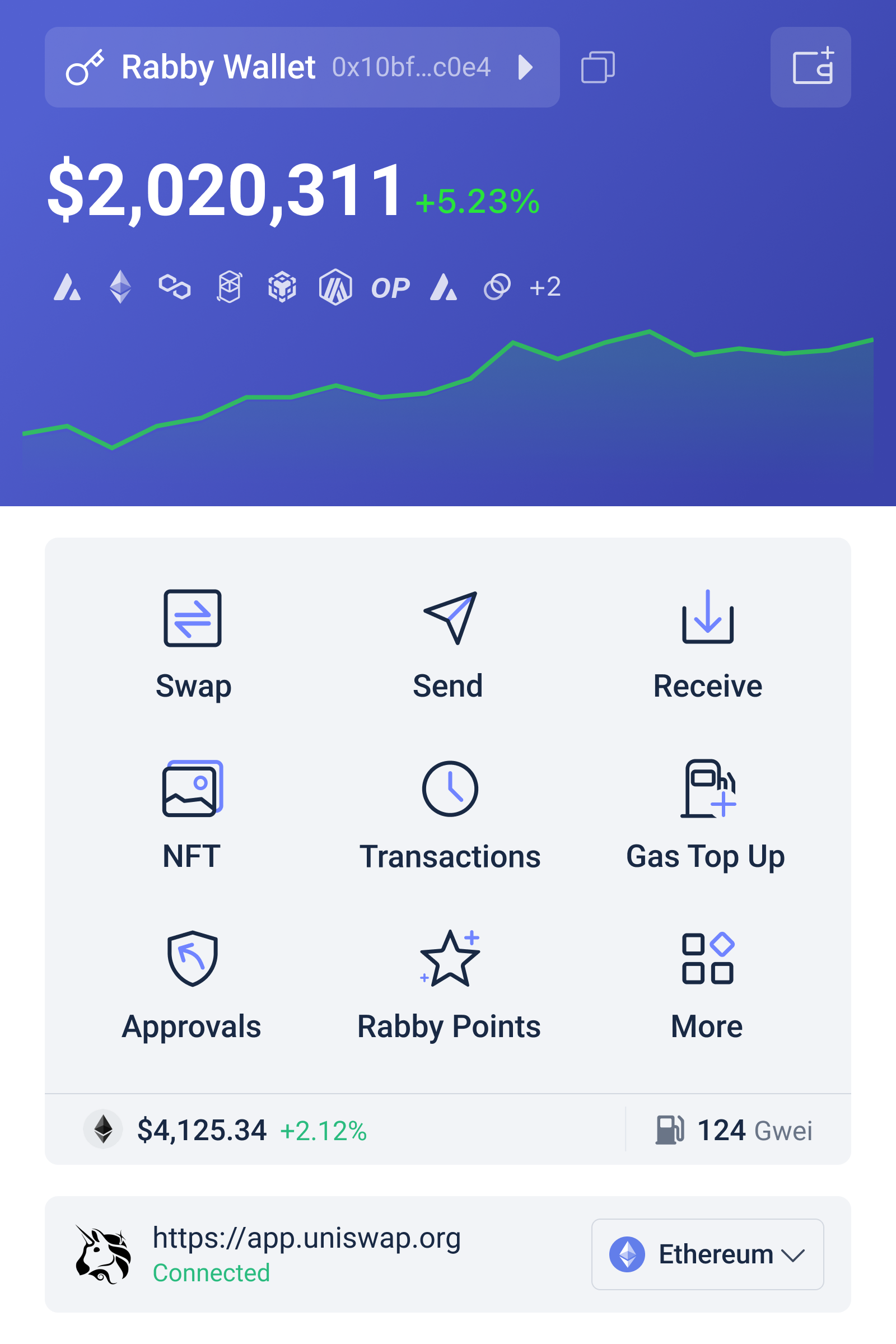
If you want a place to start, check out rabby wallet—it surfaces transaction simulations and permission insights in a way that nudges safer behavior.
That referral is not an ad; it’s based on seeing how a focused UX changes outcomes in real tests.
I’m not 100% sure it’s perfect, but it points in the right direction.
FAQ
How accurate are transaction simulations?
Simulations are generally accurate for on-chain deterministic outcomes, though they can miss mempool-level manipulation, or off-chain oracle changes; treat them as high-quality forecasts—not guarantees.
Will simulation slow down the wallet experience?
Good implementations cache common results and run quick local checks, so perceived delays are minimal; the small extra time buys much more confidence and fewer mistakes.
Can simulation prevent scams?
Not entirely; simulation reduces surprises and highlights suspicious permissions, but social engineering and external scams still require user education and broader ecosystem hygiene.
Wow!
I keep circling back to one idea: design for the pause.
Make the wallet create a meaningful interruption that helps users switch from reflex to reflection, without being annoying enough that they opt out of safety features entirely.
On one hand that balance is delicate, though actually it’s just design and iteration—watch users, measure outcomes, and adjust thresholds.
That iterative loop is how we move from fragile systems to resilient behaviors.
Here’s the thing.
DeFi users will always want speed and low friction.
But speed without safeguards is a treadmill to losses.
If we make safe defaults faster than unsafe ones, user behavior will shift towards the safer path naturally.
That is the design challenge, and it’s solvable if we focus on simulation, permission control, and honest portfolio previews.
Really?
I’m optimistic but cautious.
There are social and economic forces pushing for simplicity even when that simplicity hides risk.
Still, tooling that respects human cognitive limits, offers clear choices, and provides realistic previews will tilt the balance towards better outcomes.
So keep asking for better wallets, demand previews, and when possible, use tools that show you the nitty-gritty before you hit confirm.